







Cloud Computing
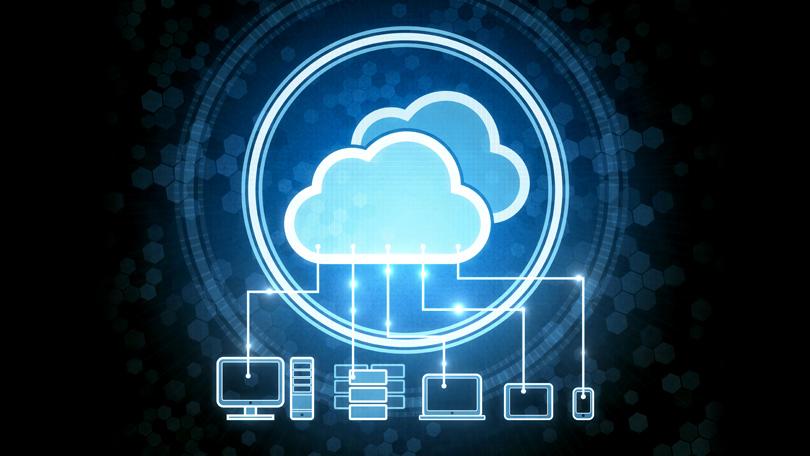
The ‘cloud’ is a true buzzword, but what is it, how does it impact what you do, and is it anything really new? Cloud computing is a general expression for the delivery computing services—servers, storage, software, networking, analytics, database and more—over the Internet (“the cloud”). Cloud computing enables companies to use a compute resource, such as a virtual machine, storage space or an application, as a utility — just like electricity — rather than having to build and maintain computing infrastructures in house.
Cloud Computing Standards
The standards for linking the computer systems and the software needed to make cloud computing job are not fully defined at present time., leaving many companies to define their own cloud computing technologies. Cloud computing systems obtainable by companies, like IBM’s “Blue Cloud” technologies for example, are based on open standards and open source software which connect together computers that are used to deliver Web 2.0 capabilities like mobile commerce.
Cloud Computing services
Public cloud:-
In the public cloud model, a third-party supplier delivers the cloud service over the internet. Public cloud services are sold on demand, typically by the minute or hour. Consumers only pay for the CPU cycles, storage space or bandwidth they consume. Public clouds are owned and operated by companies that give rapid access over a public network to inexpensive computing resources. With public cloud services owned and managed by providers, customers don’t need to purchase software, hardware or supporting infrastructure.
Private cloud:-
A private cloud is an infrastructure operated solely for a single organization. Even if it is managed internally or by a third party and hosted either externally or internally. Private cloud services are delivered from a business’ data center to internal users. This model offers versatility, flexibility and convenience, while preserving the management, control and security common to local data centers. Internal users may or may not be paid for services through IT charge back. Private clouds can take benefit of cloud’s efficiencies, while providing more control of resources and steering clear of multi-tenancy.
Hybrid cloud:-
Hybrid cloud is a mixture of public cloud services and on-premises private cloud — with orchestration and automation among the two. Companies can execute mission-critical workloads or sensitive applications on the private cloud. As using the public cloud for bursting workloads that must scale on demand. The objective of hybrid cloud is to create a unified, automated, scalable environment that takes benefit of all that a public cloud infrastructure can give while still maintaining control over mission-critical data. A hybrid cloud uses a private cloud organization combined with the planned integration and use of public cloud services.
Common Cloud Examples:
The lines between local computing and cloud computing sometimes get very blurry. So, the cloud is part of almost everything on our computers these days. You can easily have a local part of software that utilizes a form of cloud computing for storage space. That said, Microsoft also offers a set of Office Online, Web-based apps, that are Internet-only versions of PowerPoint, Word, Excel and OneNote accessed using your Web browser without installing anything. That makes them a version of cloud computing.














This information is quite good … got to know about technology.
Dear Author,
Cloud services doesn’t include Public Private and Hybrid cloud. Instead these are the deployment models of Cloud Computing Technology. The Cloud Computing Technology Services includes SAAS (Software as a service), IAAS (Infrastructure as a service, PAAS (Platform as a service) and many more. The cloud more as a pay per use service with a utility, autonomous or a distributed computing kind of computing. The reliability and Security of all the data that reside on cloud data center is the most important aspect to consider for both cloud service provider as well as the information owner.
http://advanced.edu.in/b-tech-computer-science-engineering
very informative indeed. I understand scalability a lot more now and how utilising the cloud is more cost effective and allows you to access greater resources when needed and less when you don’t .
Truly informative and yes completely agree with the fact that the main concern in cloud computing is the security of data on cloud…
Comments are closed.