






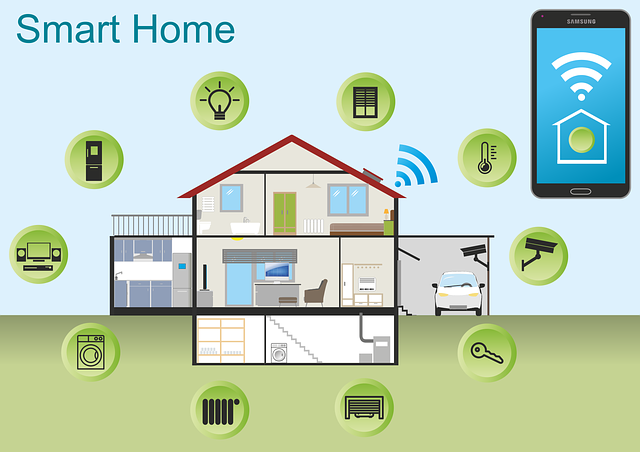
Today, in metropolitan cities smart homes are in trend because they seem to offer more security. People believe that by installing high-tech devices like digital locks and security cameras etc., they can make their homes safer.
Unfortunately, users are discovering that their systems are open to hackers and other criminals as more people install smart home devices. Now the question is “How can these tools be installed to work more effectively?”
We should take precautions against hacking as well as using more traditional security methods, if we want smart devices to actually make our homes safer. By adopting the some strategies, the home can be protected by comprehensive security practices, rather than solely “smart” security tools.
The simple is considered to be better
While choosing the devices for a smart home, less is considered more. By minimizing the number of devices installed in home, the number of opportunities hackers having to access to the home can also be minimized.
It’s good to be able to control appliances while away from home, one should keep in mind that how often these devices will be used. For example, feel like they need a smart thermostat, but it wasn’t that long ago that people didn’t even know what they were.
The side effects of smart homes
Although smart homes are still a fairly new concept but it’s key weaknesses have been uncovered. This has happened because of hackers.
Yes, hackers digitally breaking into your home are also making your home safer. Hacks expose the weak points, signifying how some smart home devices can facilitate surveillance which is not permitted, they can assist in information theft or otherwise be compromised by outsiders. What is the benefit of a digital lock if anyone with enough computer knowledge can open it?
This information has prompted the device manufacturers to improve their products so they protect the homes more effectively. Security software can also be purchased for smart home devices, essentially adding more security.
Devices, tips for smart home security
People believe and research also supports that occupied house is safer than one that appears empty. Therefore, while on vacation, people generally leave on some lights or attach the lamps to a timer so that it appears that home is not vacated because more than alarms or security cameras, smart light bulbs can boost home security.
Programming the smart light bulbs is easier than putting traditional timers, can be controlled remotely, and boast additional useful features. Smart light bulbs connected to various sensors, can turn on if a door opens. Some also switch on when the doorbell rings, which seems as though someone has got up to answer the door, even when the house is empty. This is an excellent burglar deterrent.
Some mistakes to be avoided in the smart homes
The biggest mistake people generally commit is neglecting security basics in smart home feeling that the devices offer sufficient protection.
Updating on the social media about the vacation one is on and forgetting to lock the windows of the house, or you don’t encrypt your internet connection making smart-phone devices become essentially useless. Anyone can connect to them, change your settings, and physically or digitally access your home.
Any of these small errors can make your home vulnerable in ways your smart home devices may not be able to compensate for.
The future of smart homes
Some possibilities like smart home may be able to alert you to such problems or correct them on its own are still in development.
Machine learning systems for smart home technology would allow your devices to study data based on your pattern recognition and behavior to make your home safer is hoping to develop. Currently, most smart home devices do not possess the necessary processing power to do this.
Smart home devices have great potential, but they don’t provide complete security. In fact, they can be a gateway for the savvy hacker.
The future of the smart home is uncertain. The average consumer continues to add vulnerable technology to their home, often with little awareness of external threats.
We can face security threats head on by learning the tricks that hackers use or we can open the door — literally — to burglary and digital manipulation. Overall, safety will hinge on consumer education.